- Brush your teeth at least twice a day – morning and evening.
- Use dental floss between the teeth.
- For deep pockets and wider gaps between the teeth, use interdental brushes.
- After brushing, rinse with a mouthwash; your dentist will recommend the one that suits you.
- Use a toothbrush with a smaller head, so that it reaches your back teeth.
- Use medium toothbrushes; only for sensitive teeth use soft bristles.
- Change your toothbrush every three months.
- It is best to use a toothpaste your dentist recommends for the state of your teeth and gums.
- Do not use whitening toothpastes all the time.
- Go for a check-up at least twice a year.
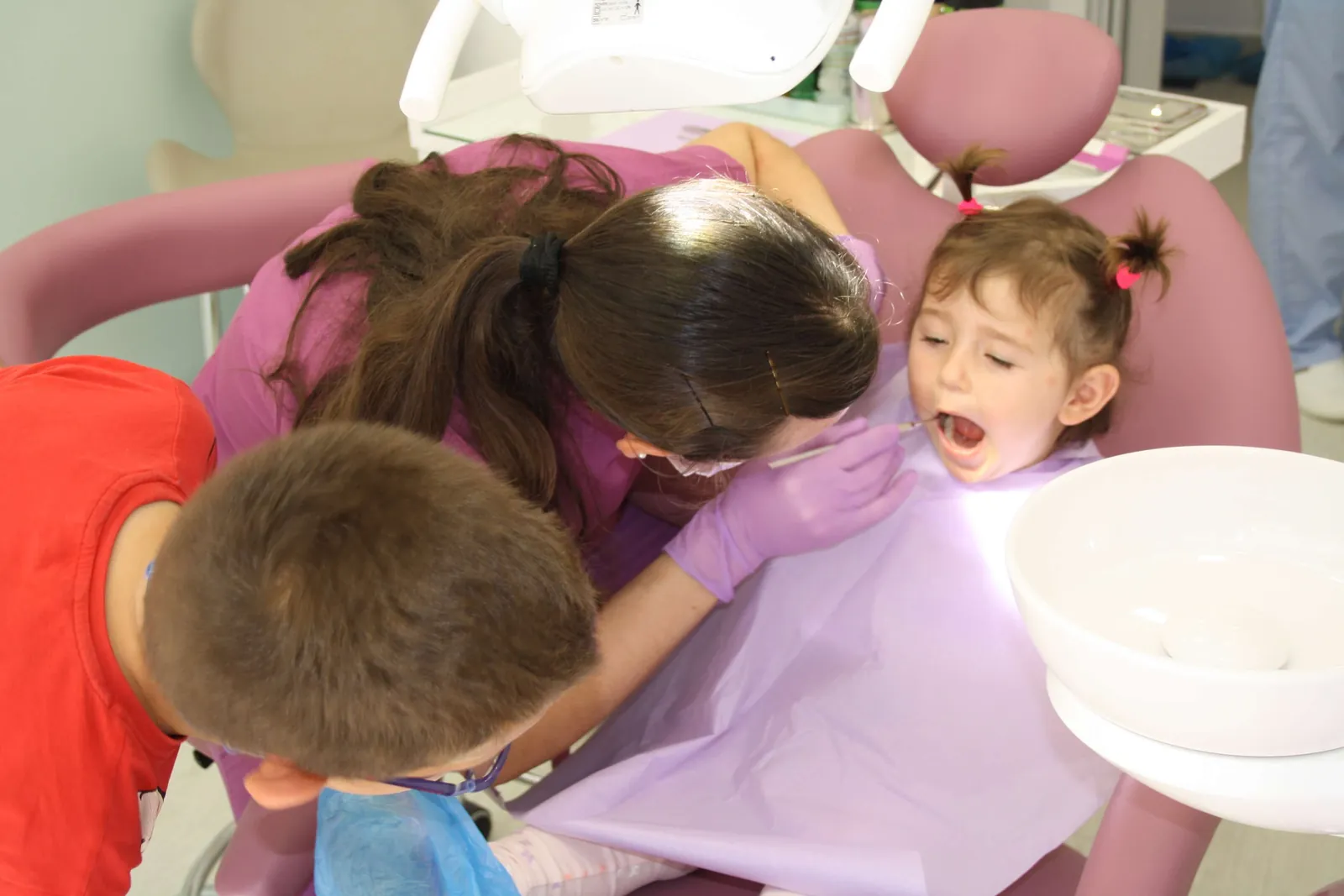
- Children need check-ups more often: milk teeth are more vulnerable and problems develop faster.
- During pregnancy, too, more frequent visits to the dentist are advisable, even though some procedures are limited.
Eating habits
- Avoid snacking between meals. If you do have something, choose an apple or a carrot rather than chocolate and biscuits.
- Drink mostly water; avoid sweetened juices and fizzy drinks.
- If you cannot brush after a meal, at least rinse your mouth with water.
Remember that the teeth are not a separate unit but part of the whole body. The mouth is connected with many organs and systems, so a tooth that is not treated in time can lead to serious problems and affect other organs, such as the heart and kidneys.
-
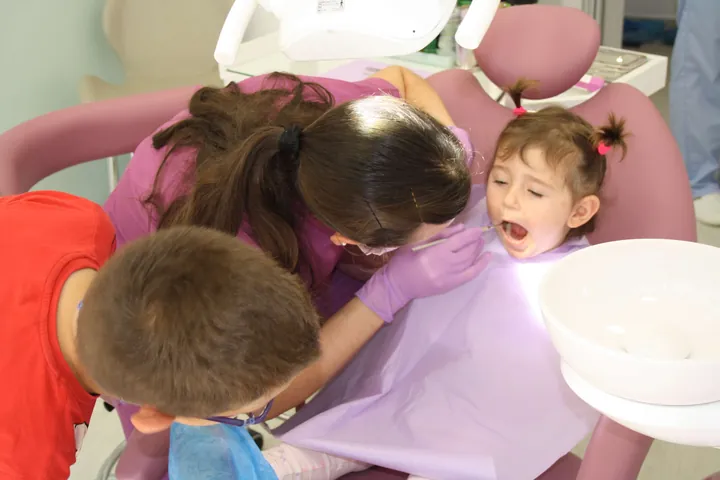
Children need check-ups more often.